

Hey there! I'm a supplier of cardboard shelf displays, and I know how crucial it is to pick the right one for your product. In this blog, I'll share some tips and tricks to help you make that decision.
Understanding Your Product
First things first, you need to have a clear understanding of your product. Consider its size, weight, shape, and fragility. For instance, if you're selling small, lightweight items like jewelry or cosmetics, you can go for a more delicate and compact cardboard display. On the other hand, if you're dealing with heavy or bulky products such as electronics or large household items, you'll need a sturdier and more robust display.
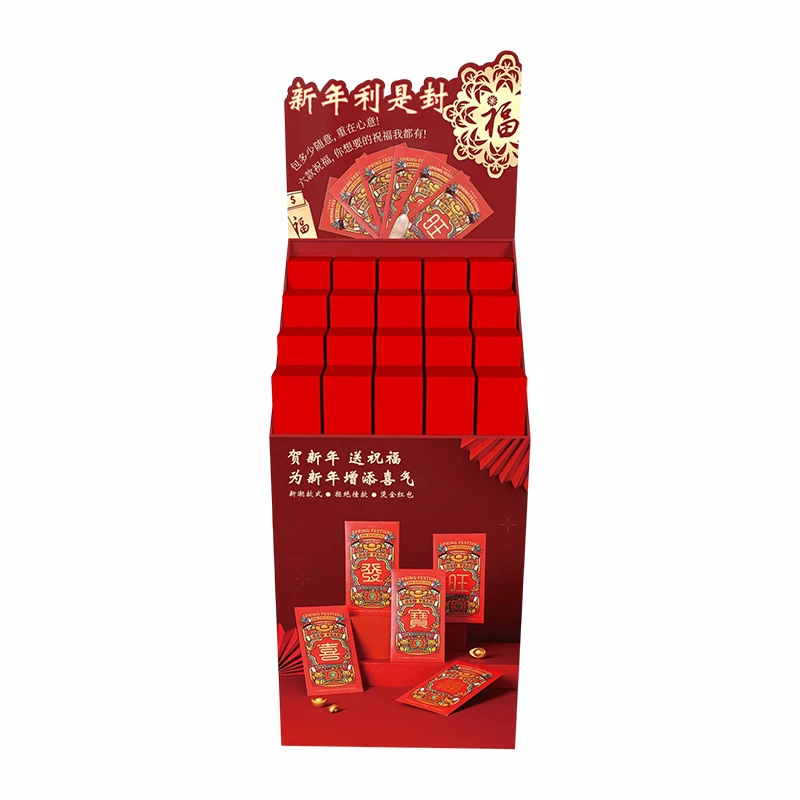
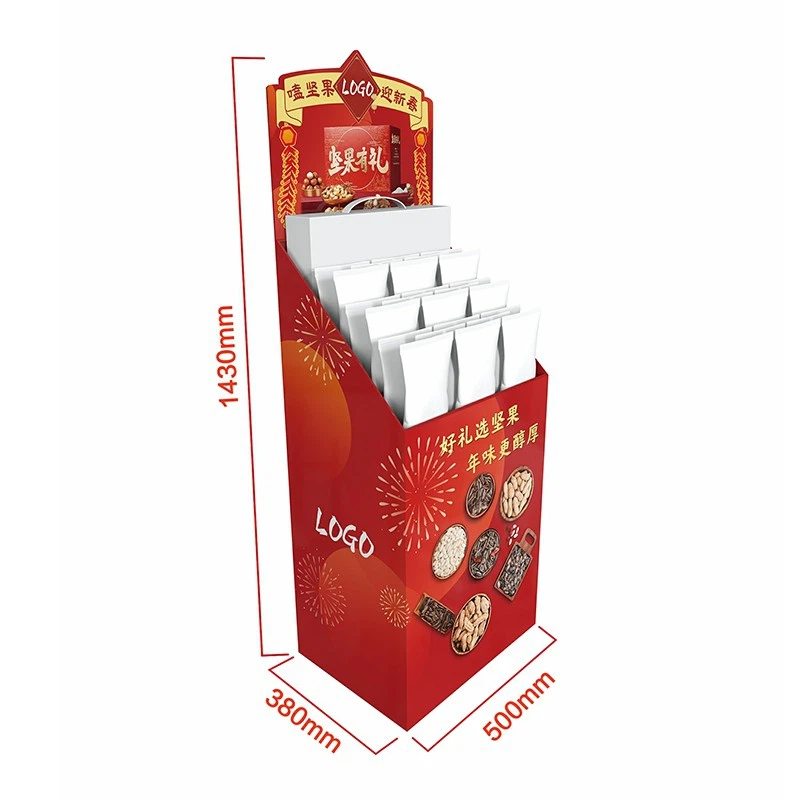
Let's say you're selling a new line of smartphones. These are relatively small but valuable items. You'd want a display that not only showcases the phones attractively but also provides enough protection. A well - designed Cardboard Retail Display Stands with individual compartments and clear visibility can be a great choice.
Analyzing Your Target Audience
Your target audience plays a huge role in choosing the right display. Think about their age, gender, interests, and shopping habits. If your product is aimed at young, trendy consumers, you might want a display with bright colors, modern designs, and eye - catching graphics. For an older, more traditional audience, a more classic and elegant display could be more appropriate.
For example, if you're selling a line of anti - aging skincare products targeted at middle - aged women, a display with soft colors, elegant fonts, and high - quality images can create a sense of luxury and trust. You can use Cardboard Floor Displays to attract their attention as they walk through the store.
Considering the Retail Environment
The place where your product will be displayed matters a lot. Is it a busy supermarket, a high - end boutique, or an online store? In a supermarket, you need a display that can stand out among a sea of products. A large, bold Cardboard Display Rack with attention - grabbing signage can help your product get noticed.
In a boutique, the display should fit in with the overall aesthetic of the store. It might be more understated but still high - quality. And if you're selling online, you need to think about how the display will translate into digital images. You can use cardboard displays to take professional product photos that will attract online shoppers.
Evaluating Display Features
When choosing a cardboard shelf display, look at its features. Does it have enough space for your product? Can it be easily assembled and disassembled? Is it customizable?
Space is crucial. You don't want your product to look cramped or lost in the display. Make sure the display has the right number of shelves, compartments, or hooks to showcase your product effectively.
Ease of assembly is also important, especially if you need to set up the display quickly. Some cardboard displays come with simple instructions and can be put together in minutes.
Customization allows you to make the display unique to your brand. You can add your logo, brand colors, and product information to the display. This helps to create brand awareness and makes your product more recognizable.
Cost - Benefit Analysis
Of course, cost is a factor. You want to get the best value for your money. Compare different suppliers and their prices. But remember, the cheapest option isn't always the best. A high - quality display might cost a bit more upfront, but it can last longer and attract more customers, which can lead to higher sales in the long run.
Look for suppliers who offer a good balance between quality and price. As a cardboard shelf display supplier, I understand the importance of providing cost - effective solutions without compromising on quality.
Testing and Feedback
Before committing to a large order, it's a good idea to order a sample display. This allows you to see the display in person, test its functionality, and get feedback from your team or customers. You can make any necessary adjustments before mass - producing the displays.
If you're not satisfied with the sample, don't be afraid to ask the supplier for changes. A good supplier will be willing to work with you to ensure that the final product meets your expectations.
Conclusion
Choosing the right cardboard shelf display for your product is a process that requires careful consideration. By understanding your product, target audience, retail environment, and display features, you can make an informed decision. And remember, as a cardboard shelf display supplier, I'm here to help you every step of the way.
If you're interested in learning more about our cardboard shelf displays or want to discuss your specific needs, feel free to reach out. We can work together to create the perfect display for your product.
References
- Retail Display Association. (2023). Best Practices for Product Displays.
- Marketing Insights Journal. (2023). Impact of Display Design on Consumer Behavior.