

How to Measure for a Cardboard Shelf Display
When it comes to showcasing your products effectively, a well - measured cardboard shelf display can make all the difference. As a cardboard shelf display supplier, I understand the importance of accurate measurements in creating a display that not only looks great but also serves its purpose efficiently. In this blog post, I'll guide you through the process of measuring for a cardboard shelf display step by step.
Understanding the Basics
Before you start measuring, it's crucial to have a clear idea of what you want to achieve with your cardboard shelf display. Consider the products you'll be displaying, the available space in your store, and the overall aesthetic you're aiming for. A cardboard shelf display can be used in various settings, such as retail stores, trade shows, or promotional events. Each setting may have different requirements, so keep these factors in mind.
Measuring the Available Space
The first step in measuring for a cardboard shelf display is to assess the space where it will be placed. Measure the width, depth, and height of the area. Make sure to account for any obstacles, such as columns, shelves, or doors, that could affect the placement of the display. For example, if you're placing the display in a corner, measure the angle and the available space within that corner.
It's also important to consider the traffic flow in the area. You don't want to place the display in a way that blocks the path of customers. Measure the distance from the display to the nearest aisles and ensure there is enough room for people to move around comfortably.
Measuring the Products
Once you have measured the available space, it's time to measure the products that will be displayed on the cardboard shelf. Measure the width, depth, and height of each product. If you have a variety of products, measure the largest and smallest items to ensure that the display can accommodate them all.
Consider the orientation of the products. Some products may need to be displayed vertically, while others may work better horizontally. This will affect the design and layout of the cardboard shelf display. For example, if you're displaying books, you may want to have a shelf with a specific height to accommodate the different sizes of the books.
Designing the Shelf Layout
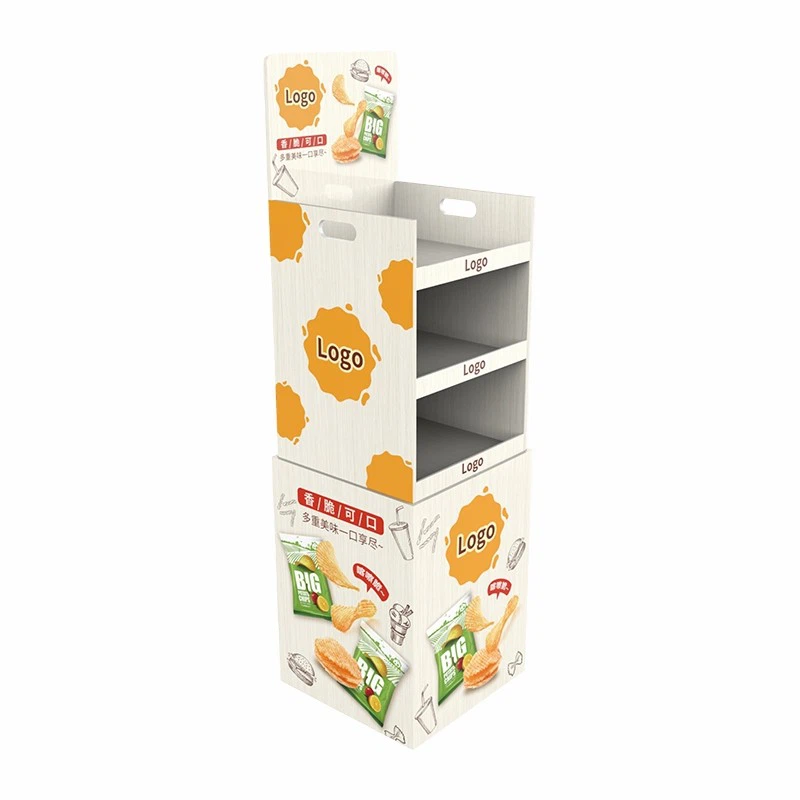
Based on the measurements of the available space and the products, you can start designing the layout of the cardboard shelf display. Decide how many shelves you need, the height of each shelf, and the spacing between them. Make sure to leave enough space for easy access to the products and for any promotional materials or signage.
You can use graph paper or a digital design tool to create a mock - up of the display. This will help you visualize how the final product will look and make any necessary adjustments before production.
Considering the Structural Integrity
When measuring for a cardboard shelf display, it's important to consider the structural integrity of the design. The display needs to be able to support the weight of the products without collapsing. Measure the weight of the products and calculate the load that each shelf will need to bear.
Choose the appropriate thickness and quality of the cardboard based on the weight requirements. Thicker cardboard will generally provide more support, but it may also be more expensive. You can consult with your cardboard shelf display supplier to determine the best type of cardboard for your specific needs.
Measuring for Graphics and Signage
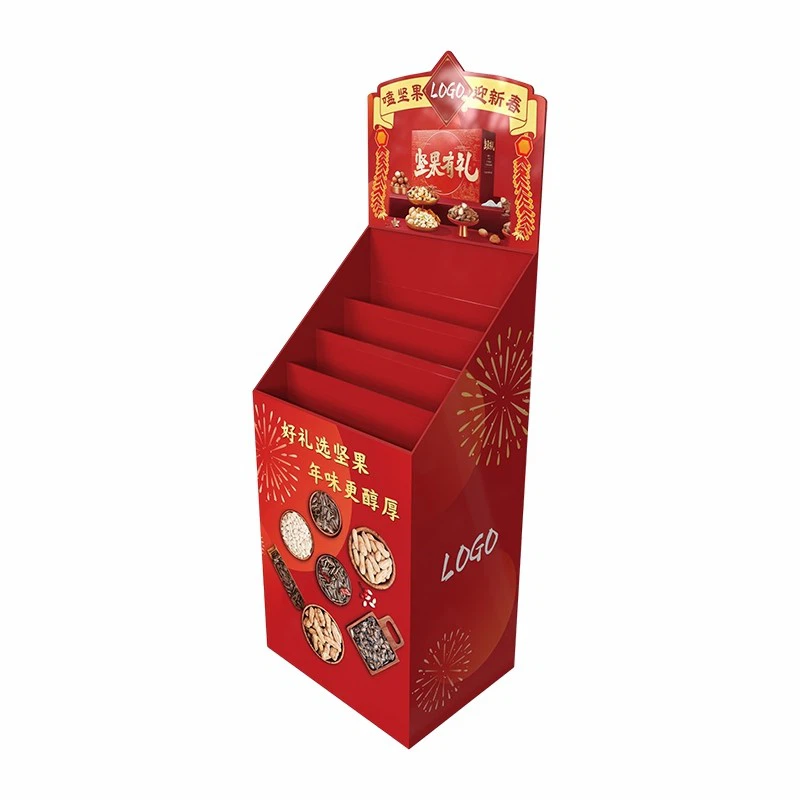
In addition to the physical dimensions of the display, you also need to measure for any graphics or signage that will be added to the cardboard shelf. Decide where you want to place the graphics, such as on the front, sides, or top of the display. Measure the area where the graphics will be applied and ensure that the resolution and size of the graphics are appropriate.
If you're using custom - printed graphics, make sure to provide accurate measurements to your printer. This will ensure that the graphics are printed correctly and fit perfectly on the display.
Finalizing the Measurements
Once you have completed all the measurements and designed the layout of the cardboard shelf display, it's time to finalize the measurements. Double - check all the dimensions to ensure accuracy. You can also create a detailed measurement sheet that includes all the relevant information, such as the width, depth, height, and spacing of each shelf, as well as the dimensions for the graphics and signage.
Share this measurement sheet with your cardboard shelf display supplier. They will use these measurements to create a custom - made display that meets your specific requirements.
Why Choose Our Cardboard Shelf Displays
As a leading cardboard shelf display supplier, we offer a wide range of high - quality displays that are designed to meet the needs of various industries. Our displays are made from durable cardboard materials that are both eco - friendly and cost - effective.
We have a team of experienced designers who can work with you to create a custom - made display that fits your products and brand. Whether you need a simple single - shelf display or a complex multi - level display, we can help.
Our Cardboard Merchandise Display options are perfect for showcasing a variety of products in a retail setting. They are available in different sizes and styles to suit your specific needs. Our Cardboard Floor Displays are designed to attract attention and increase product visibility. And our Cardboard Retail Display Stands are ideal for creating an eye - catching display in your store.
Contact Us for Your Cardboard Shelf Display Needs
If you're interested in purchasing a cardboard shelf display, we'd love to hear from you. Our team of experts can provide you with more information about our products and help you choose the right display for your needs. We offer competitive pricing, fast turnaround times, and excellent customer service.
Whether you're a small business owner looking to enhance your product display or a large corporation in need of a custom - made display for a promotional event, we have the solutions for you. Contact us today to start the process of creating your perfect cardboard shelf display.
References
- "Retail Display Design: Principles and Practices" by David A. Wolfe
- "Packaging Design: Successful Product Branding from Concept to Shelf" by Margaret Hagan