

In the dynamic world of retail, the choice of display solutions can significantly impact product visibility and sales. Among the various options available, cardboard shelf displays have emerged as a popular and cost - effective choice for businesses. As a leading Cardboard Shelf Display supplier, I have witnessed firsthand the differences between single - layer and multi - layer cardboard shelf displays, and how these differences can influence their effectiveness in a retail environment.
Structural Design
The most obvious difference between single - layer and multi - layer cardboard shelf displays lies in their structural design. A single - layer cardboard shelf display is, as the name suggests, composed of a single layer of cardboard. It is a simple and straightforward design, often used for displaying a small number of products or for creating a minimalist look. The single - layer structure makes it relatively easy to assemble and transport, as it requires less material and is less bulky.
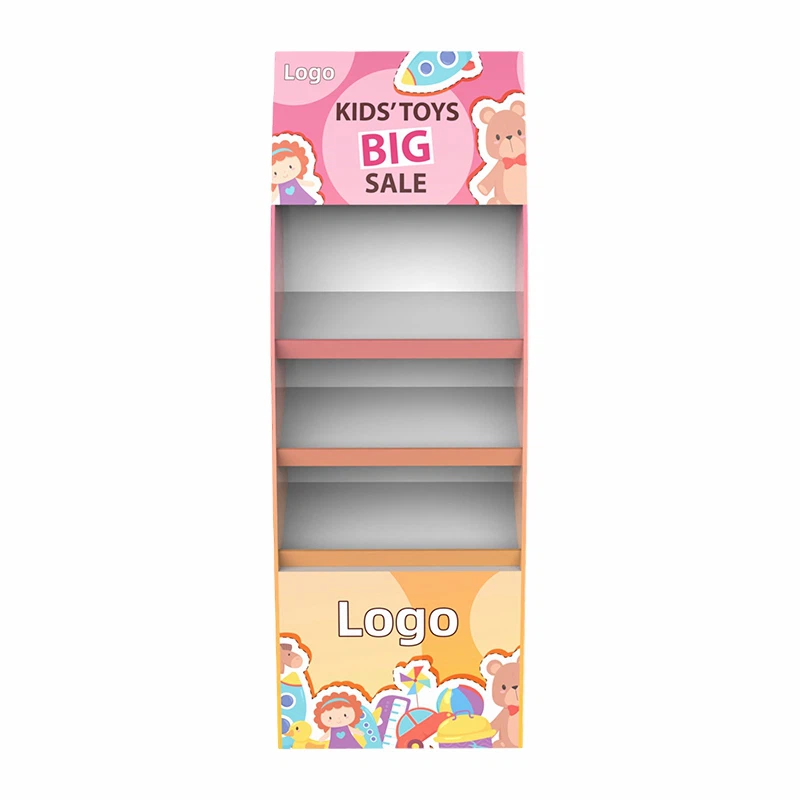
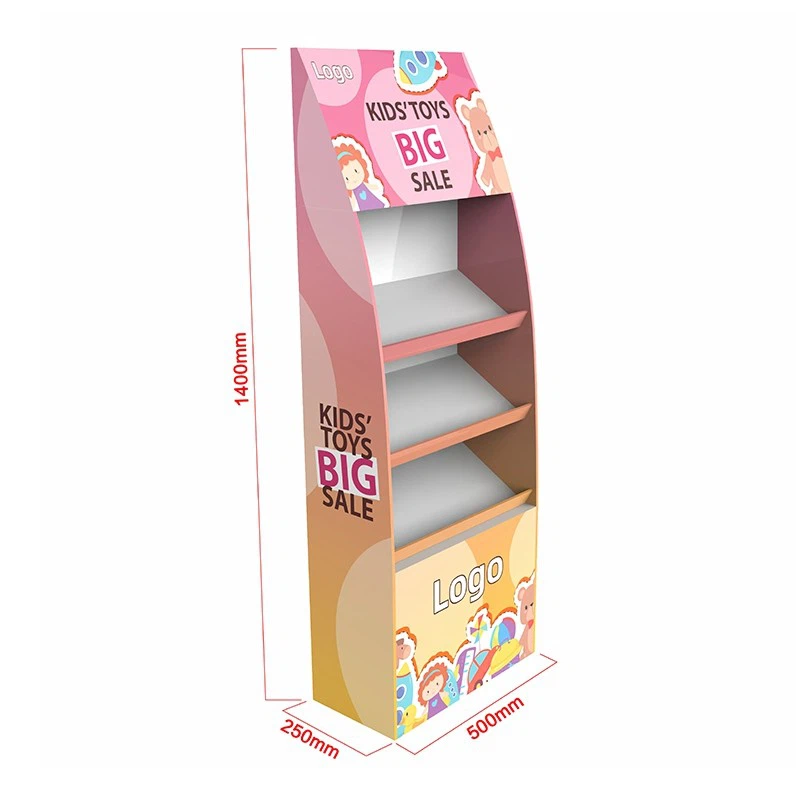
On the other hand, multi - layer cardboard shelf displays are more complex in design. They consist of multiple layers of cardboard, stacked on top of each other to create a more substantial and eye - catching display. This design allows for a greater number of products to be displayed, as well as the creation of different levels and compartments. Multi - layer displays can be customized to fit specific product sizes and shapes, and they can be used to create a more dynamic and engaging visual experience for customers.
Product Capacity
When it comes to product capacity, multi - layer cardboard shelf displays have a clear advantage over single - layer displays. The additional layers provide more space for products, allowing retailers to showcase a larger variety of items. This is particularly useful for promoting new products, offering a range of options to customers, or maximizing the use of limited floor space.
Single - layer displays, however, are better suited for displaying a small number of high - value or featured products. They can be used to draw attention to a particular item or to create a focused display. For example, a single - layer display might be used to showcase a new line of luxury cosmetics or a limited - edition product.
Visual Impact
The visual impact of a cardboard shelf display is crucial in attracting customers and driving sales. Multi - layer displays tend to have a more dramatic and attention - grabbing effect due to their height and complexity. The different levels and compartments create a sense of depth and dimension, making the display more visually appealing. They can also be used to create a more immersive shopping experience, as customers are more likely to explore a display with multiple levels and sections.
Single - layer displays, while less elaborate, can still have a strong visual impact. Their simplicity can make them stand out in a crowded retail environment, especially if they are well - designed and feature bold graphics or branding. A single - layer display can be used to create a clean and modern look, which is often preferred in high - end or minimalist retail settings.
Cost and Assembly
Cost is an important consideration for any retailer, and the choice between single - layer and multi - layer cardboard shelf displays can have a significant impact on the bottom line. Single - layer displays are generally less expensive to produce, as they require less material and are simpler to manufacture. They also tend to be easier and faster to assemble, which can save time and labor costs.
Multi - layer displays, on the other hand, are more expensive due to the additional materials and complexity of the design. The assembly process can also be more time - consuming, as it requires careful alignment and attachment of the multiple layers. However, the increased product capacity and visual impact of multi - layer displays can often justify the higher cost, especially for large - scale promotions or high - traffic retail locations.
Customization
Both single - layer and multi - layer cardboard shelf displays can be customized to meet the specific needs of a retailer. However, multi - layer displays offer more opportunities for customization due to their greater complexity. They can be designed with different shapes, sizes, and configurations to fit the layout of a store and the products being displayed. For example, a multi - layer display can be created with angled shelves to showcase products at different angles, or with built - in compartments for storing small items.
Single - layer displays can also be customized, but the options are more limited. They are typically designed to be simple and straightforward, with a focus on the product being displayed. However, they can still be customized with branding, graphics, and colors to match the retailer's marketing strategy.
Durability
The durability of a cardboard shelf display is an important factor, especially in a high - traffic retail environment. Single - layer displays are generally less durable than multi - layer displays, as they have a thinner and less substantial structure. They may be more prone to damage from handling, shipping, and customer interaction.
Multi - layer displays, on the other hand, are more robust and durable due to their multiple layers of cardboard. The additional layers provide extra strength and support, making the display less likely to be damaged. However, the durability of a multi - layer display also depends on the quality of the cardboard used and the design of the display.
Applications
Single - layer cardboard shelf displays are often used in situations where a simple and cost - effective display solution is needed. They are commonly used in convenience stores, pharmacies, and small retail shops. They can be used to display a variety of products, such as snacks, beverages, and personal care items.
Multi - layer cardboard shelf displays are more suitable for larger retail stores, supermarkets, and department stores. They are often used for promoting new products, seasonal items, or high - volume sales. For example, a multi - layer display might be used to showcase a new line of electronics, a holiday - themed product, or a special promotion.
Conclusion
In conclusion, the choice between a single - layer and multi - layer cardboard shelf display depends on a variety of factors, including the retailer's budget, the number and type of products to be displayed, the visual impact desired, and the durability requirements. As a Cardboard Shelf Display supplier, I can help retailers make an informed decision based on their specific needs.
If you are interested in learning more about our Cardboard Counter Display Stands, Cardboard Display Rack, or Cardboard Floor Displays, please feel free to contact us for a consultation. We look forward to working with you to create the perfect display solution for your business.
References
- Retail Display Handbook: A Guide to Creating Effective Visual Merchandising. [Publisher details not provided].
- Cardboard Packaging and Display Design: Principles and Practices. [Publisher details not provided].